
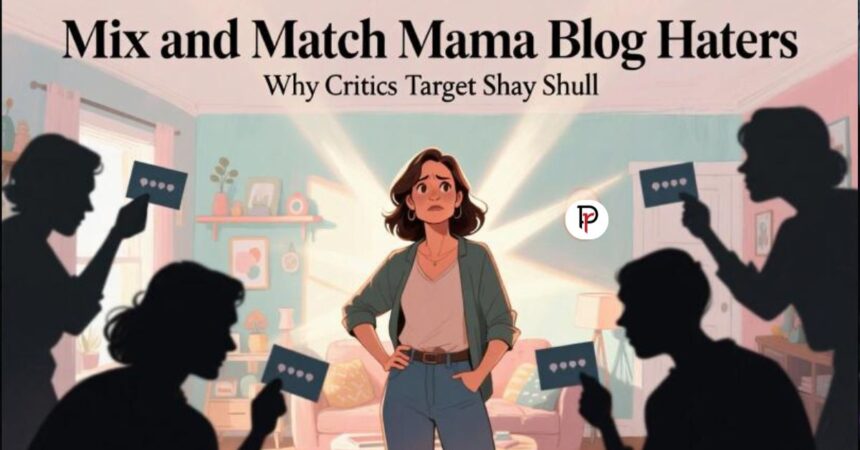
The Mix and Match Mama blog has become one of the most successful lifestyle and family blogs in recent years, attracting millions of readers with its fashion tips, family content, and daily life updates. Blogger Shay Shull built her empire by sharing outfit combinations, family activities, and product recommendations that resonated with busy moms seeking style inspiration. However, with great success comes intense scrutiny, and the Mix and Match Mama blog haters have become as vocal as her supporters.
Online criticism of popular bloggers has become increasingly common as social media platforms provide anonymous spaces for people to express negative opinions. The phenomenon of Mix and Match Mama blog haters reflects broader patterns of how internet culture responds to successful content creators. Understanding these dynamics helps us grasp why some people feel compelled to criticize lifestyle bloggers and how this affects both creators and their communities.
The rise of influencer culture has created new forms of celebrity that come with unique challenges. Unlike traditional celebrities who maintain distance from their audiences, lifestyle bloggers share intimate details about their daily lives, making them more accessible targets for criticism. This accessibility paradoxically makes successful bloggers like Shay Shull both more relatable and more vulnerable to personal attacks from detractors.
The Common Criticisms That Fuel the Fire
Mix and Match Mama blog haters typically focus on several recurring themes that reflect broader criticisms of the lifestyle blogging industry. Many critics question the authenticity of Shay’s presented lifestyle, suggesting that her posts create unrealistic expectations for regular mothers. These critics argue that her perfectly styled outfits and organized family activities don’t represent the reality most families experience daily.
Financial transparency represents another major source of criticism from Mix and Match Mama blog haters. Some followers question the cost of featured outfits and worry that promoting expensive items creates pressure for readers to overspend. Critics often point out that many recommended products seem financially out of reach for average families, despite the blog’s positioning as accessible lifestyle content.
Primary Areas of Criticism Include:
- Lifestyle Authenticity – Questions about whether presented content reflects real daily life
- Product Promotion – Concerns about excessive advertising and sponsored content
- Financial Accessibility – Criticism of expensive product recommendations
- Family Privacy – Debates about sharing children’s lives publicly
- Content Repetition – Claims that posts lack variety and originality
The criticism extends to parenting choices, with some Mix and Match Mama blog haters questioning decisions about children’s education, activities, and public exposure. These personal attacks often cross boundaries from legitimate content criticism into invasive commentary about family decisions. Such criticism reflects the challenges faced by family bloggers who must balance sharing their lives with protecting their children’s privacy.
Social media amplifies these criticisms, allowing negative comments to spread quickly across platforms. Forum discussions on sites like The Gossip Bakery provide spaces where critics can analyze every aspect of Shay’s content and personal life. These dedicated spaces for criticism create echo chambers where negative opinions become reinforced and amplified among like-minded users.
The Psychology Behind Blog Criticism
Understanding why people become Mix and Match Mama blog haters requires examining the psychological factors that drive online criticism of successful content creators. Some critics may experience envy or resentment toward bloggers who appear to have perfect lives while monetizing their daily experiences. This phenomenon, known as “tall poppy syndrome,” reflects human tendencies to cut down those who seem too successful or privileged.
| Criticism Type | Underlying Motivation | Common Expressions | Impact Level |
| Lifestyle Envy | Comparison and inadequacy | “Must be nice” comments | High |
| Authenticity Policing | Desire for transparency | “This isn’t real life” | Medium |
| Consumer Protection | Concern for followers | “Too expensive for readers” | Medium |
| Privacy Advocacy | Child welfare concerns | “Stop exploiting your kids” | High |
The Real Impact on Content Creators
The effects of persistent criticism from Mix and Match Mama blog haters extend far beyond simple negative comments, creating real psychological and professional challenges for content creators. Constant scrutiny can lead to anxiety, self-doubt, and changes in content strategy that may compromise authentic voice and creativity. Many successful bloggers report feeling pressure to defend their choices constantly rather than focusing on creating valuable content for their audiences.
Financial implications of organized criticism can be significant, as negative campaigns sometimes target brand partnerships and sponsorship opportunities. When Mix and Match Mama blog haters coordinate efforts to contact brands about their concerns, it can jeopardize revenue streams that support the blogger’s business operations. This economic pressure creates additional stress beyond the emotional toll of personal attacks.
The mental health impact of sustained criticism affects not only the primary blogger but also family members who may be mentioned or featured in content. Children of popular bloggers may eventually discover negative comments about their family, creating long-term consequences that extend beyond the blogger’s career. This reality forces family bloggers to consider the broader implications of their career choices.
Documented Effects on Content Creators:
- Content Modification – Changing posting style to avoid criticism
- Increased Privacy Measures – Sharing fewer personal details and family moments
- Professional Relationships – Brand partnership complications and lost opportunities
- Mental Health Challenges – Anxiety, depression, and self-esteem issues
- Family Impact – Stress on relationships and children’s privacy concerns
Support systems within the blogging community have developed in response to these challenges, with successful creators sharing strategies for managing criticism and maintaining mental health. Professional counseling, peer support groups, and social media management techniques help bloggers navigate the negative aspects of public visibility while continuing their careers.
How Shay Shull Navigates the Negativity
Shay Shull’s approach to handling Mix and Match Mama blog haters demonstrates several strategies that successful content creators use to manage online criticism while maintaining their brand integrity. Rather than engaging directly with negative comments on most platforms, she typically focuses on positive interactions with supportive followers. This approach prevents escalating conflicts while maintaining a positive atmosphere for her core audience.
When addressing criticism, Shay often uses her platform to clarify misunderstandings or provide context for controversial decisions without specifically acknowledging individual critics. This indirect response method allows her to address concerns while avoiding the appearance of being defensive or giving critics additional attention they may be seeking.
Community management plays a crucial role in how the Mix and Match Mama brand handles criticism, with moderators removing inappropriate comments and blocking persistent harassers. This proactive approach helps maintain a positive environment for engaged followers while limiting the platform access of dedicated critics. The strategy acknowledges that not all criticism deserves a response or platform.
Shay’s Response Strategies:
- Positive Focus – Emphasizing supportive follower interactions over negative feedback
- Indirect Addressing – Clarifying issues without acknowledging specific critics
- Community Standards – Enforcing comment policies and blocking harassment
- Professional Boundaries – Maintaining separation between criticism and content decisions
- Support Network Utilization – Relying on team members and fellow creators for guidance
The blogger occasionally addresses broader industry criticisms through blog posts or social media content that discusses the realities of content creation. These posts help educate followers about the business aspects of blogging while providing transparency about sponsored content and income sources. This educational approach helps counter some criticism while building trust with her core audience.
Finding Balance in the Digital Age
The phenomenon of Mix and Match Mama blog haters reflects broader challenges in our digital culture, where success often attracts intense scrutiny and personal criticism. While some criticism may contain valid points about authenticity, transparency, or consumer protection, much of the negativity directed toward lifestyle bloggers crosses into personal harassment that serves no constructive purpose. Understanding these dynamics helps us navigate online spaces more thoughtfully.
For content creators, the existence of dedicated critics represents an occupational hazard that requires careful management and strong support systems. The most successful bloggers learn to filter constructive feedback from malicious criticism while maintaining authenticity and connection with their audiences. This balance requires ongoing effort and professional development as the digital landscape continues evolving.
The conversation around influencer criticism also highlights important questions about privacy, authenticity, and consumer protection in digital marketing. As the industry matures, these discussions may lead to better practices and clearer standards that protect both creators and consumers while preserving the authentic connections that make lifestyle content valuable to millions of readers worldwide.
READ MORE: Why Fashion Is Important Lwspeakfashion – Style Identity
Frequently Asked Questions
1. Do Mix and Match Mama blog haters affect Shay’s sponsorship deals?
While major brands typically focus on engagement metrics rather than criticism, persistent negative campaigns can sometimes influence partnership decisions or require additional brand reputation management.
2. Has Shay ever taken legal action against persistent critics or harassers?
Public records don’t show specific legal actions, though many bloggers use cease and desist letters or platform reporting systems to address harassment that crosses legal boundaries.
3. Are there organized groups dedicated to criticizing the Mix and Match Mama blog?
Several forum communities and social media groups exist where users regularly discuss and critique lifestyle bloggers, including dedicated threads about Shay’s content and business practices.
4. How do Mix and Match Mama’s children feel about the online criticism of their family?
Shay has not publicly discussed her children’s awareness of or feelings about online criticism, though she has mentioned making decisions to protect their privacy as they grow older.
5. Do other lifestyle bloggers face similar levels of organized criticism as Mix and Match Mama?
Most successful lifestyle bloggers experience some level of organized criticism, with the intensity often correlating to their follower count, posting frequency, and level of personal sharing in their content.