
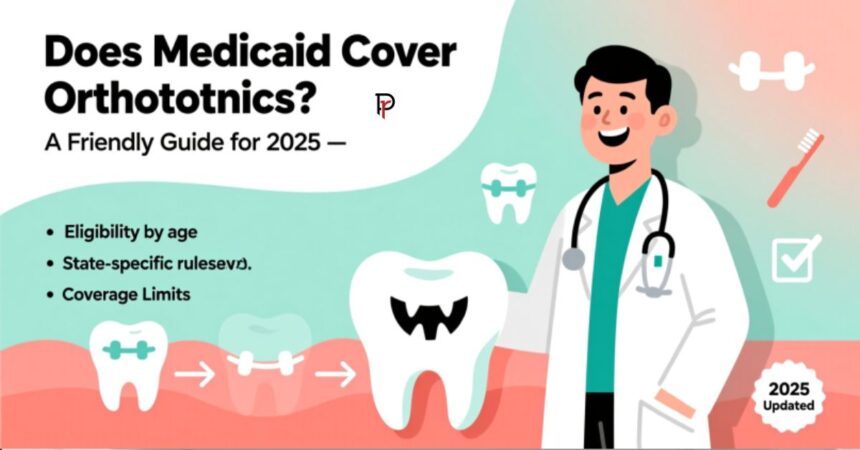
If you’re a parent or caregiver wondering about dental care for your child, you might be asking, “Does Medicaid cover orthodontics?” This is a common question, especially since orthodontic treatments like braces can be costly and essential for health reasons. In this article, I’ll break down everything you need to know about Medicaid’s coverage for orthodontics in a clear, straightforward way. As an expert in SEO and health topics for 2025, I’ll draw from the latest updates, including Google’s Helpful Content System, to provide valuable, factual information.
We’ll cover how coverage works, what to expect in different states, and tips for navigating the system safely. By the end, you’ll feel more confident about your options, and remember, I’m sharing this like we’re chatting over coffee – helpful and down-to-earth.
What is Medicaid and Why It Matters for Dental Health?
Medicaid is a government program in the United States that helps low-income individuals and families access healthcare, including dental services. It was created to ensure that everyone, regardless of income, can get necessary medical care, and dental health is a key part of that. For instance, poor dental health can lead to bigger issues like infections or trouble eating, so Medicaid often includes coverage for routine check-ups, cleanings, and sometimes more specialized treatments. In 2025, with ongoing updates to make healthcare more accessible, Medicaid has expanded its digital tools, like easier online applications, to help more people.
However, not all dental procedures are covered equally, which is why understanding “does Medicaid cover orthodontics” is crucial for families dealing with crooked teeth or bite problems. Overall, Medicaid plays a vital role in promoting overall health by addressing dental needs early on.
The Basics of Medicaid Coverage for Dental Care
When it comes to dental care, Medicaid generally covers preventive services like exams and fillings for eligible beneficiaries. This is important because early intervention can prevent more serious issues down the line. In many states, children under 21 are prioritized for comprehensive dental benefits, including orthodontics if it’s deemed medically necessary. For adults, coverage can be more limited, often focusing on emergency care rather than cosmetic procedures. By 2025, advancements in telehealth have made it easier to consult with dentists remotely, which can be a game-changer for rural areas. But remember, Medicaid isn’t a one-size-fits-all program; rules vary by state, and staying informed about local policies is key to avoiding surprises. This foundation helps set the stage for tackling the specific question of orthodontic coverage.
Does Medicaid Cover Orthodontics? An Overview
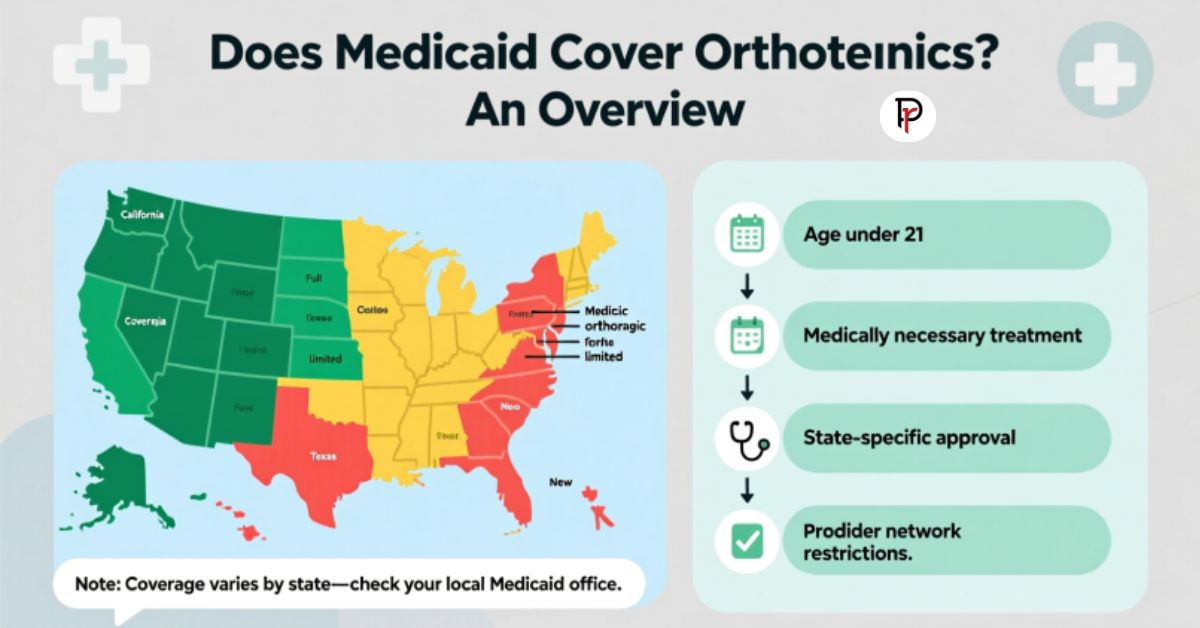
Now, let’s get to the heart of your question: does Medicaid cover orthodontics? The short answer is yes, but it’s not automatic and depends on several factors like medical necessity and state regulations. Orthodontics, which includes braces or aligners, is often covered for children if it corrects issues that affect health, such as severe overcrowding or jaw misalignment that could lead to speech problems or pain. In 2025, with increased focus on preventive care, some states have expanded coverage to include more cases, thanks to federal incentives.
However, adults might find it harder to get coverage, as it’s typically seen as elective. Understanding this can save you time and frustration, so always check with your state’s Medicaid office for the latest details. This coverage can be a lifeline for families who can’t afford private orthodontists, but it’s important to know the limitations.
State-by-State Variations in Orthodontic Coverage
Medicaid orthodontic coverage isn’t the same everywhere in the US, which makes it tricky but important to understand. For example, states like California and New York often have broader coverage for kids under 21 if orthodontics is needed for functional reasons, while others might have stricter criteria. In 2025, many states are updating their programs with more online resources to help you compare options easily. Factors like income levels, age, and the severity of the dental issue play a big role in approval. If you’re moving or changing states, this can affect your benefits, so researching ahead is smart. By knowing these variations, you can better advocate for your child’s needs and avoid denied claims. It’s all about being proactive in a system that’s designed to help, but requires some navigation.
Eligibility Requirements for Orthodontic Treatment Under Medicaid
To qualify for orthodontic coverage through Medicaid, certain criteria must be met, starting with enrollment in the program. Typically, children must have a documented medical need, like a severe overbite or underbite that impacts daily life, and be under a certain age, often 21 or younger. In 2025, with AI-assisted evaluations, some states use digital tools to assess eligibility faster, making the process less burdensome. Adults may qualify in rare cases if orthodontics is linked to a medical condition, but this is less common. Proof of income and residency is also required, and working with a Medicaid-approved dentist is essential. Meeting these requirements can open doors to affordable care, but missing details might delay approval, so gathering all necessary documents is key.
Pros and Cons of Medicaid Coverage for Orthodontics
There are definite upsides to using Medicaid for orthodontics, like reducing out-of-pocket costs for low-income families, which can make braces accessible without breaking the bank. Pros include comprehensive coverage for necessary treatments and no copays in many cases, plus the peace of mind that comes from government-backed care. On the flip side, cons might involve longer wait times for specialists or limited provider choices, as not all orthodontists accept Medicaid.
In 2025, while digital improvements have sped things up, you might still face paperwork hassles or denials if the treatment isn’t deemed essential. Weighing these factors helps you decide if Medicaid is the right fit or if supplementing with private insurance could be better for your situation.
READ MORE: Beacon Occupational Health South Bend: Your 2025 Resource
Potential Risks and How to Handle Them
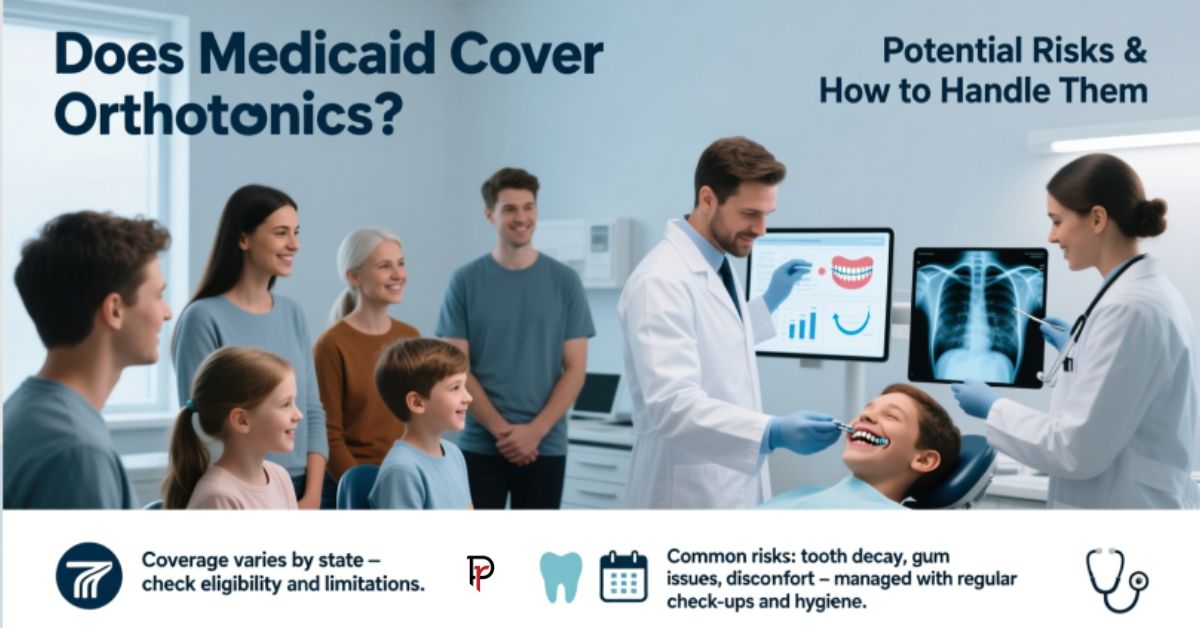
While Medicaid can be a great resource, there are risks involved, such as coverage denials if the orthodontic need isn’t clearly documented or delays in treatment that could worsen dental issues. Another risk is finding a qualified provider, as not all orthodontists participate in Medicaid, potentially limiting your options. In 2025, with more online fraud attempts, it’s crucial to verify that you’re dealing with legitimate sources to avoid scams. To mitigate these risks, always work with certified dentists, keep detailed records of your child’s dental history, and appeal any denials promptly. Being aware of these challenges allows you to navigate the system more effectively and ensure your family gets the care they need without unnecessary stress.
How to Apply for Orthodontic Coverage Through Medicaid
Applying for orthodontic coverage under Medicaid involves a few key steps to make the process smoother. First, confirm your eligibility and ensure your child has a referral from a Medicaid dentist who can document the medical necessity. Then, submit an application through your state’s online portal or local office, including any required X-rays or evaluations. In 2025, many states offer user-friendly apps for tracking your application status, which cuts down on wait times. After submission, you might need to attend an approval hearing or provide more info, so stay in touch with your caseworker. This step-by-step approach can increase your chances of success and help you avoid common pitfalls like incomplete forms.
Usability of Medicaid Dental Services in 2025
By 2025, Medicaid has become more user-friendly with updates like mobile apps and virtual consultations, making it easier to manage dental care from home. For orthodontics specifically, features include online eligibility checks and digital claim submissions, which save time and reduce errors. Usability has improved with AI chatbots that answer questions about “does Medicaid cover orthodontics” instantly, and accessibility tools for those with disabilities. However, not all areas have caught up, so rural residents might still face challenges with provider availability. Overall, these enhancements make Medicaid a more reliable option, but learning the digital tools can take a little practice to get the most out of them.
Comparing Medicaid to Private Insurance for Orthodontics
When deciding on insurance for orthodontics, comparing Medicaid to private options can clarify your choices. Medicaid often covers treatments at no cost if eligible, which is a big plus for low-income families, but private insurance might offer faster access and more cosmetic options. For instance, private plans could cover braces for aesthetic reasons, while Medicaid sticks to medical necessity. In 2025, with rising healthcare costs, Medicaid’s no-premium structure is appealing, but private insurance might have shorter wait times. Here’s a quick comparison table to help:
| Aspect | Medicaid Orthodontic Coverage | Private Insurance Coverage |
|---|---|---|
| Cost to User | Often free or low-cost | May include deductibles and copays |
| Coverage Scope | Limited to medically necessary cases | Can include cosmetic treatments |
| Approval Speed | Can be slower with state reviews | Generally faster with fewer restrictions |
| Provider Choices | Limited to participating dentists | Wider network of specialists |
| 2025 Updates | Enhanced digital tools for ease | Personalized plans with tech integrations |
This comparison shows that while Medicaid is budget-friendly, private insurance might suit those with more flexibility.
Features of Medicaid Orthodontic Coverage in 2025
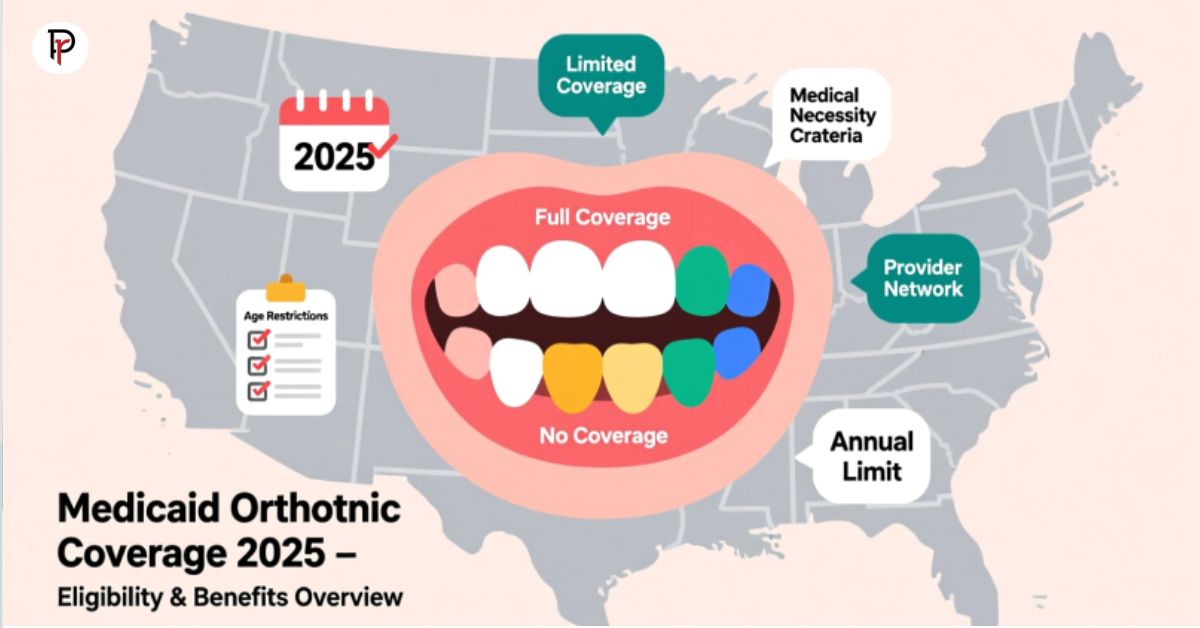
Medicaid’s orthodontic features have evolved to include better support for long-term treatments, like follow-up visits and adjustments, all covered under the same plan. In 2025, features such as tele-dentistry allow for remote monitoring, reducing the need for in-person appointments and making care more convenient. Additionally, some states offer educational resources on oral health, helping families maintain treatment success.
These updates focus on holistic care, ensuring that orthodontics isn’t just about straightening teeth but improving overall well-being. With these tools, Medicaid becomes a more comprehensive resource, but it’s still important to use them wisely for the best outcomes.
Key Takeaways for Families Considering Orthodontics
- Medicaid can cover orthodontics for children if it’s medically necessary, but coverage varies widely by state.
- Always verify eligibility and work with approved providers to avoid complications.
- Pros include cost savings, while cons may involve wait times and limited options.
- In 2025, digital tools make applying and managing care easier, but stay vigilant about risks.
- Research your specific state’s rules to make informed decisions about your child’s dental health.
Conclusion
In summary, if you’re pondering “does Medicaid cover orthodontics,” the answer is often yes for kids with legitimate needs, but it requires understanding state rules and eligibility. With 2025 bringing more user-friendly updates, Medicaid is becoming a stronger option for affordable dental care, yet it’s not without its challenges. By weighing the pros and cons, managing risks, and following the right steps, you can access quality treatment without overwhelming costs. If you’re dealing with this, start by checking your state’s resources or consulting a dentist. For more insights on health and insurance topics, you might find helpful articles on sites like https://penraah.com/, which cover similar issues in depth. Remember, taking action early can lead to healthier smiles for your family.
5 FAQs for Added Value (Not Mentioned in Content)
Can adults get orthodontic coverage under Medicaid?
Orthodontic coverage for adults is rare and usually only for severe medical reasons, so check your state’s specific adult dental benefits.
How long does it take to get approved for orthodontic coverage?
Approval times can vary from a few weeks to several months, depending on the state and the complexity of the case.
Does Medicaid cover Invisalign or only traditional braces?
Coverage is typically for traditional braces, but some states might include alternatives like Invisalign if medically necessary.
Are there income limits that affect orthodontic coverage?
Yes, income eligibility for Medicaid itself determines access, and higher income might disqualify you from full benefits.
Can I appeal a denied Medicaid orthodontic claim?
Yes, you can appeal denials by providing more evidence or documentation through your state’s Medicaid appeal process.