
In today’s fast-paced world, finding moments of calm and clarity can be difficult. However, ancient practices like yoga have provided timeless techniques to help foster mental clarity, emotional balance, and spiritual connection. One such technique is the “Chin Mudra,” a simple yet powerful hand gesture used in meditation and yoga. This mudra, often practiced in conjunction with deep breathing, has been revered for its ability to enhance mindfulness, concentration, and overall well-being.
In this article, we’ll explore the origins, benefits, techniques, and modern-day relevance of Chin Mudra. Whether you’re a beginner or an experienced practitioner, this guide will help you understand how this simple gesture can become a powerful tool in your daily life.
What is Chin Mudra?
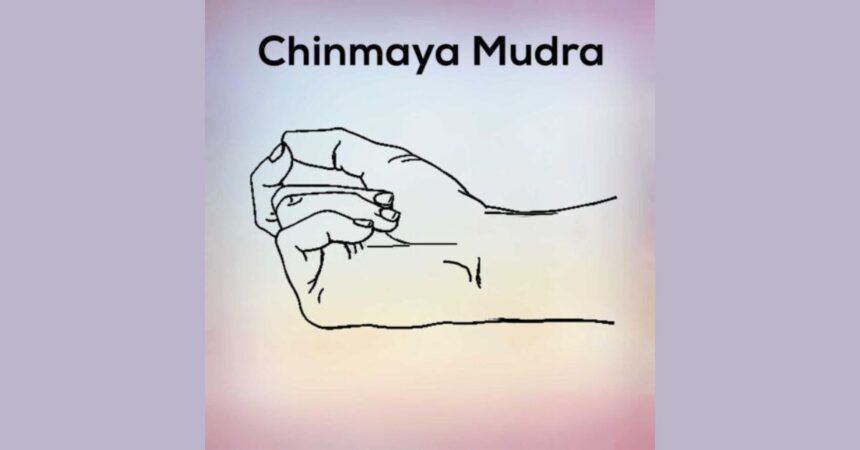
Chin Mudra is a hand gesture or “The Power of Chin Mudra” used in yoga and meditation practices. The word “Chin” translates to “consciousness” or “awareness” in Sanskrit, and “The Power of Chin Mudra” means “gesture” or “seal.” It involves gently touching the tip of your index finger to the tip of your thumb, while keeping the other fingers extended. This gesture is believed to help channel energy in a way that promotes mental clarity, inner peace, and spiritual awareness.
Chin Mudra is commonly used during meditation, pranayama (breathing exercises), and seated yoga poses, particularly in the lotus position.
The Benefits of Practicing Chin Mudra
Practicing Chin Mudra can have a profound impact on your mental, physical, and emotional health. Here are some of the key benefits:
- Mental Clarity: It helps to calm the mind, aiding in deeper meditation and improved concentration.
- Increased Awareness: The practice of Chin Mudra can enhance your mindfulness and connection to the present moment.
- Stress Relief: By encouraging a relaxed state of mind, it helps to reduce stress and anxiety.
- Balance and Harmony: This mudra is believed to align the body’s energy, promoting overall well-being.
- Spiritual Growth: Regular practice is said to deepen one’s spiritual practice by increasing self-awareness and inner peace.
How to Perform Chin Mudra Correctly
To perform Chin Mudra, follow these simple steps:
- Sit in a Comfortable Position: Choose a seated position, such as the lotus position, or sit with your legs crossed and your spine straight.
- Place Your Hands on Your Knees: Rest your hands gently on your knees or thighs with the palms facing upward.
- Form the Mudra: Touch the tip of your index finger to the tip of your thumb, keeping the other fingers extended and relaxed.
- Focus on Your Breath: As you hold this gesture, focus on your breath, inhaling and exhaling deeply and slowly.
- Stay in the Position for 5-15 Minutes: Start with a few minutes and gradually increase the duration as you become more comfortable with the practice.
Remember to maintain a relaxed posture throughout the practice. The key is to feel at ease and present during the gesture.
Chin Mudra vs. Jnana Mudra: What’s the Difference?
You may have come across another mudra called Jnana Mudra, which is similar to Chin Mudra but has one key difference. In Jnana Mudra, the thumb and index finger are also connected, but the other three fingers are gently curled inward, rather than remaining straight.
Both mudras are used to promote mental clarity, but Jnana Mudra is generally associated with the acquisition of knowledge and wisdom, while Chin Mudra is thought to represent a deeper connection with consciousness.
The Psychological Effects of Chin Mudra
While the physical benefits of Chin Mudra are well-known, its psychological effects are just as important. When practicing this gesture, you may experience:
- Increased Focus: The simple act of focusing on your breath and the gesture can help improve concentration and mental clarity.
- Emotional Stability: As a grounding mudra, Chin Mudra helps stabilize emotions, making it easier to deal with stress and emotional fluctuations.
- Heightened Awareness: The practice encourages mindfulness and awareness of your thoughts, which can promote a greater sense of self-awareness and emotional regulation.
Chin Mudra and Yoga: A Perfect Pairing
Chin Mudra can be incorporated into various yoga poses to enhance their benefits. It is particularly effective in poses where you’re seated, such as in Padmasana (lotus pose) or Sukhasana (easy pose). By integrating Chin Mudra with your yoga practice, you can improve your focus and mental clarity, making it easier to stay present during your session.
The gesture can also be used as a transition between different poses or during pranayama exercises to deepen your breathing and promote relaxation.
Benefits of Chin Mudra in Meditation
One of the primary uses of Chin Mudra is in meditation. The mudra encourages a state of stillness and focus, which is essential for a successful meditation practice. When combined with mindful breathing, it helps calm the nervous system and quiet the mind. This makes it easier to enter a deep meditative state, allowing you to experience the full benefits of your practice.
Chin Mudra is especially helpful for those who struggle with restlessness or anxiety during meditation. By providing a physical anchor for the mind, it helps create a sense of stability and presence.
Chin Mudra in Daily Life
Incorporating Chin Mudra into your daily routine is simple. You don’t need to be in a meditation or yoga session to practice it. You can use the gesture while sitting at your desk, traveling, or even while watching TV. Whenever you feel stressed or need to refocus, try forming Chin Mudra and taking a few deep breaths. This can help calm your mind and improve your focus throughout the day.
The Risks and Considerations of Chin Mudra
While Chin Mudra is generally safe and beneficial, there are a few considerations to keep in mind:
- Physical Discomfort: If you experience any discomfort in your hands or wrists, adjust the position or stop the practice.
- Not a Quick Fix: Like any practice, Chin Mudra requires consistency to see lasting results. It should be combined with other practices such as yoga and meditation for optimal benefits.
- Individual Variations: Every person’s experience with mudras may differ. If you don’t feel immediate results, don’t get discouraged. Continue practicing and adjusting as needed.
Chin Mudra for Beginners: Tips and Tricks
If you’re new to Chin Mudra, here are some tips to help you get started:
- Start Slow: If you’re unfamiliar with mudras, begin by practicing Chin Mudra for just a few minutes each day.
- Be Patient: Like any mindfulness practice, the benefits of Chin Mudra may take time to manifest. Stay consistent, and the results will come.
- Use Guided Meditation: Many meditation apps or YouTube channels offer guided sessions that incorporate Chin Mudra, which can be a helpful way to get started.
Chin Mudra and Breathing Techniques
Incorporating deep breathing with Chin Mudra can enhance the practice even further. Focus on slow, deep inhales and exhales, which can help activate the parasympathetic nervous system and induce a state of calmness.
Try practicing pranayama (breathing exercises) with Chin Mudra to deepen your connection with your breath and improve your overall wellness.
Can Chin Mudra Help with Anxiety?
Many people have found Chin Mudra to be an effective tool in managing anxiety. By calming the mind and reducing stress, the practice can help alleviate the symptoms of anxiety. However, it’s important to remember that mudras are just one tool in your mental health toolkit. If you suffer from severe anxiety, it’s always best to consult a healthcare professional for guidance.
Chin Mudra and Its Spiritual Significance
Chin Mudra is not only a physical practice but also holds spiritual significance. In spiritual traditions, the index finger represents the individual ego, and the thumb symbolizes universal consciousness. By joining the two together, the gesture symbolizes the unity of the individual with the universal consciousness.
This mudra is often used during meditation to deepen spiritual awareness and connection to a higher self.
Key Takeaways on Chin Mudra
- Chin Mudra is a powerful hand gesture used to enhance focus, mindfulness, and spiritual connection.
- It has numerous benefits, including stress reduction, improved mental clarity, and emotional stability.
- The mudra is simple to practice and can be incorporated into your daily life, whether during yoga, meditation, or even in daily activities.
- Be patient and consistent, as the benefits of Chin Mudra deepen over time.
FAQs
1. Can Chin Mudra improve my concentration?
Yes, Chin Mudra can help enhance concentration by calming the mind and improving focus.
2. How long should I practice Chin Mudra each day?
Start with 5-10 minutes daily, and gradually increase as you become more comfortable.
3. Is Chin Mudra suitable for beginners?
Yes, it’s an easy and accessible mudra for people of all experience levels.
4. Can Chin Mudra be done while lying down?
It is best performed in a seated position for optimal benefits, but you can try it while lying down if necessary.
5. Is Chin Mudra a substitute for professional therapy?
While Chin Mudra can help with relaxation and mental clarity, it should not replace professional therapy if needed.